
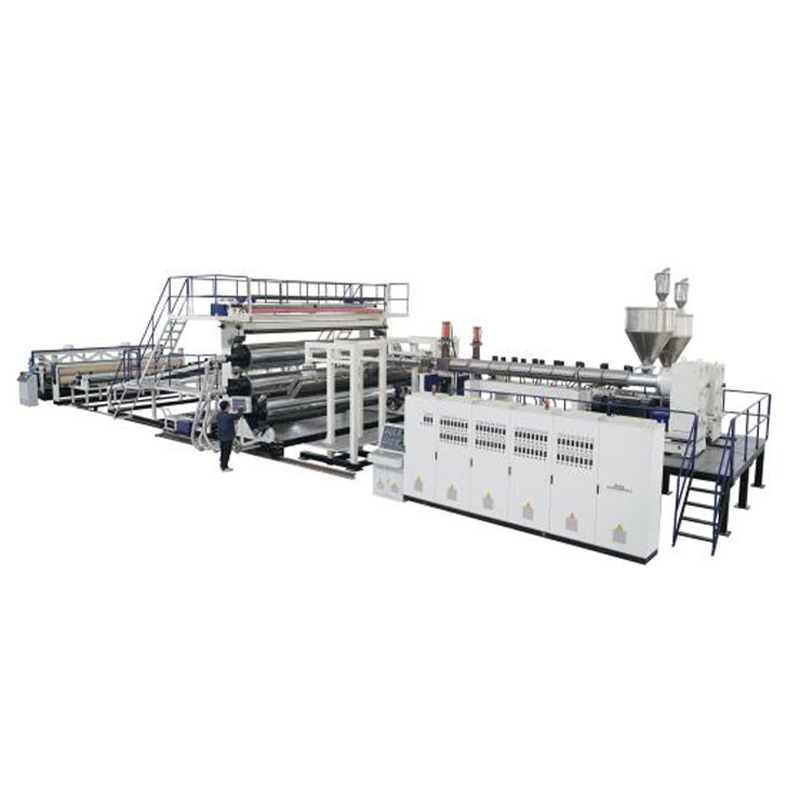
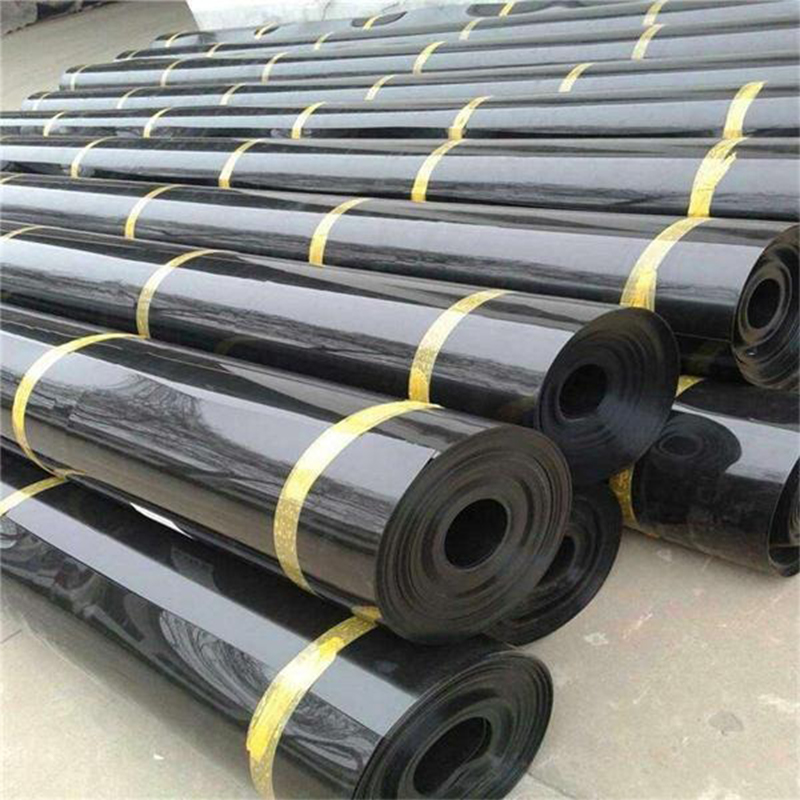
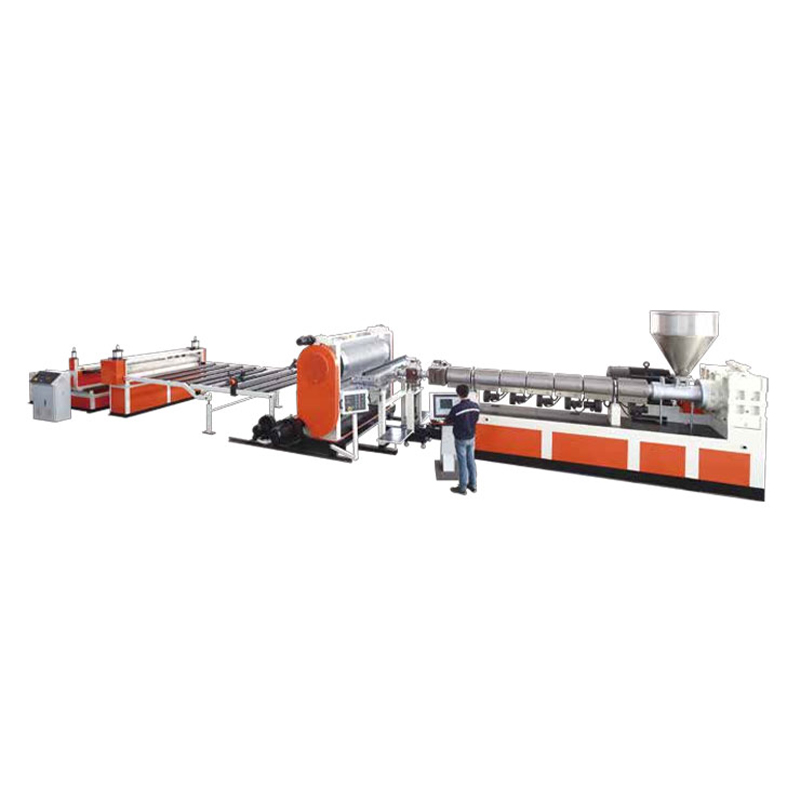
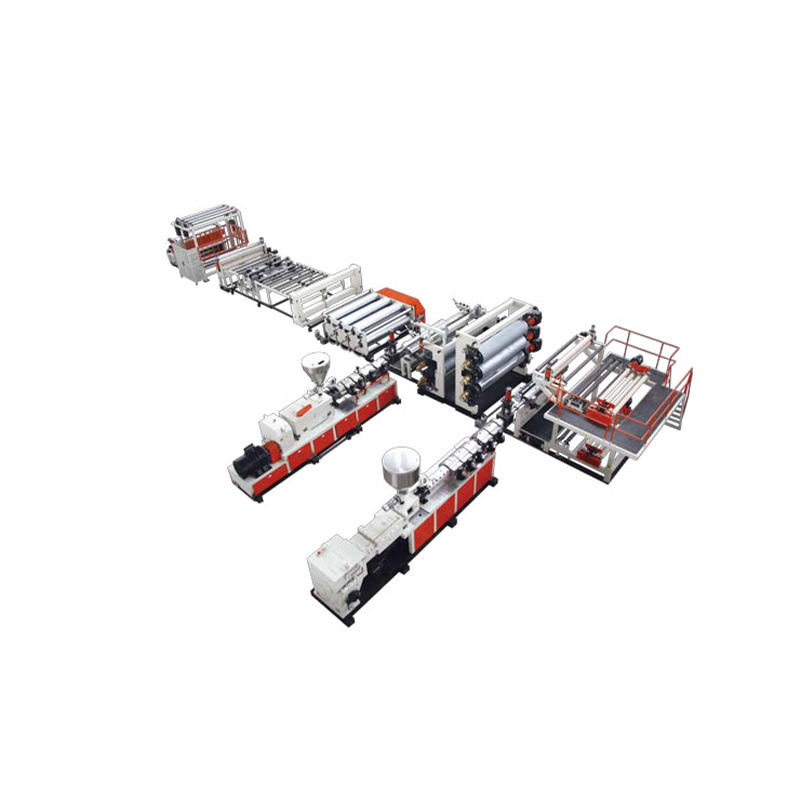
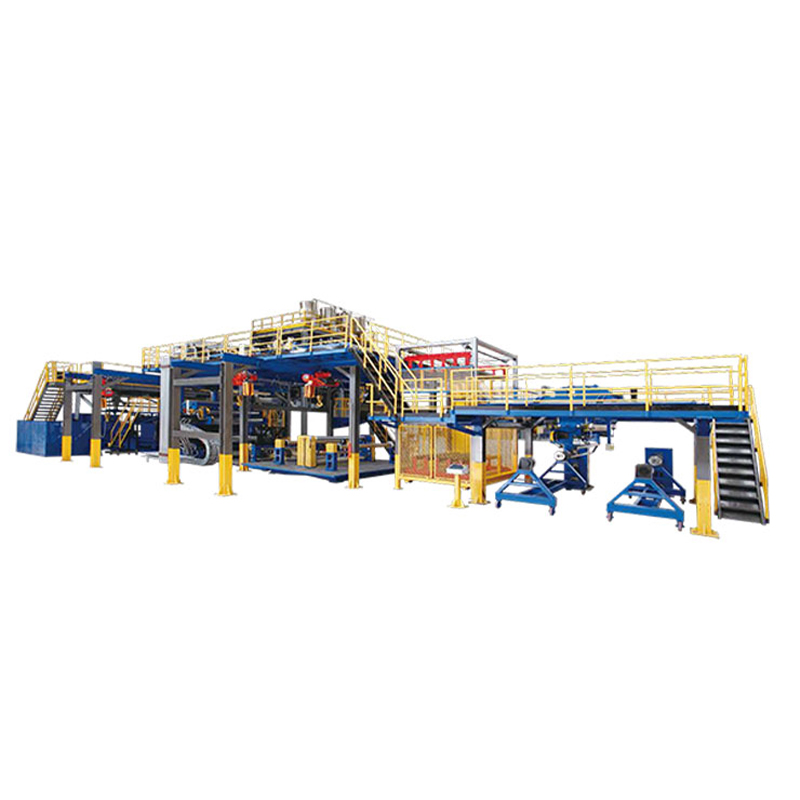
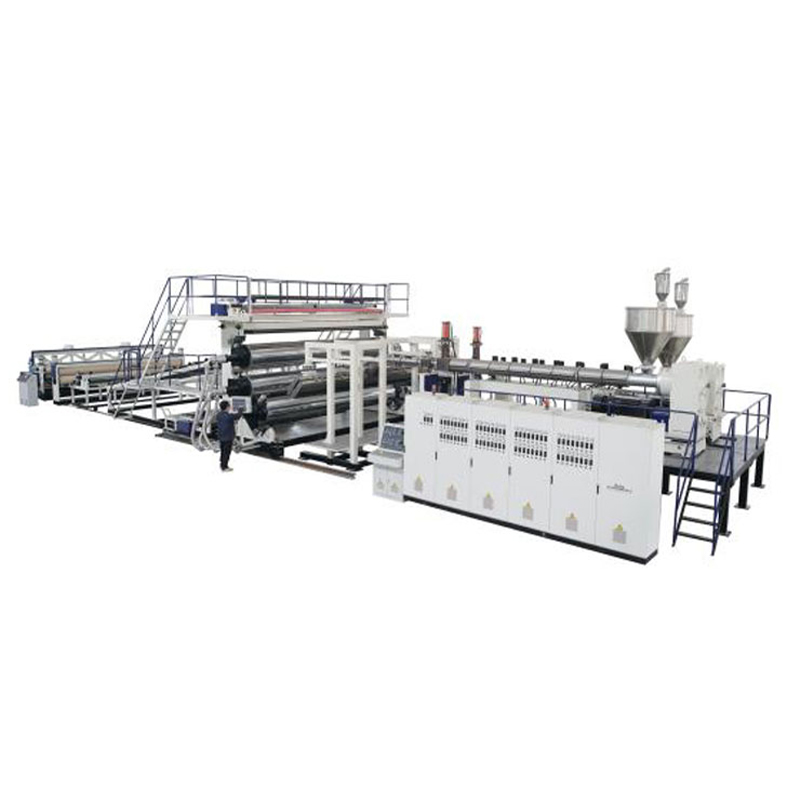
The Waterproof Sheet Extrusion Line from Jwell is a complete manufacturing solution designed for high-volume production of durable waterproof membranes. It supports three polymer types—PVC, TPO, and PE—with a maximum output of 1,100 kg/h, finished sheet thickness from 1 to 2 mm, and a width of 2,000 mm. Whether you supply roofing contractors, geotechnical engineers, or industrial waterproofing markets, this line helps maintain consistent product quality and controlled unit costs while running at high efficiency.
The JWS150–JWS120 combines excellent material flexibility with wide-web production capabilities, making it suitable for construction, municipal works, hydraulic engineering, transportation, environmental protection, and more.
Building Roofing Waterproofing
This line is widely used to produce waterproof sheets for industrial and residential buildings—including green roofs, flat roofs, and sloped roofs. Single-ply roofing membranes made of PVC or TPO offer outstanding weather resistance and long service life. As defined in ASTM D4434 (Standard Specification for Poly(Vinyl Chloride) Sheet Roofing), these materials are formulated for exposed roofing environments, effectively blocking moisture vapor and extending building lifespan.
Underground and Hydraulic Engineering
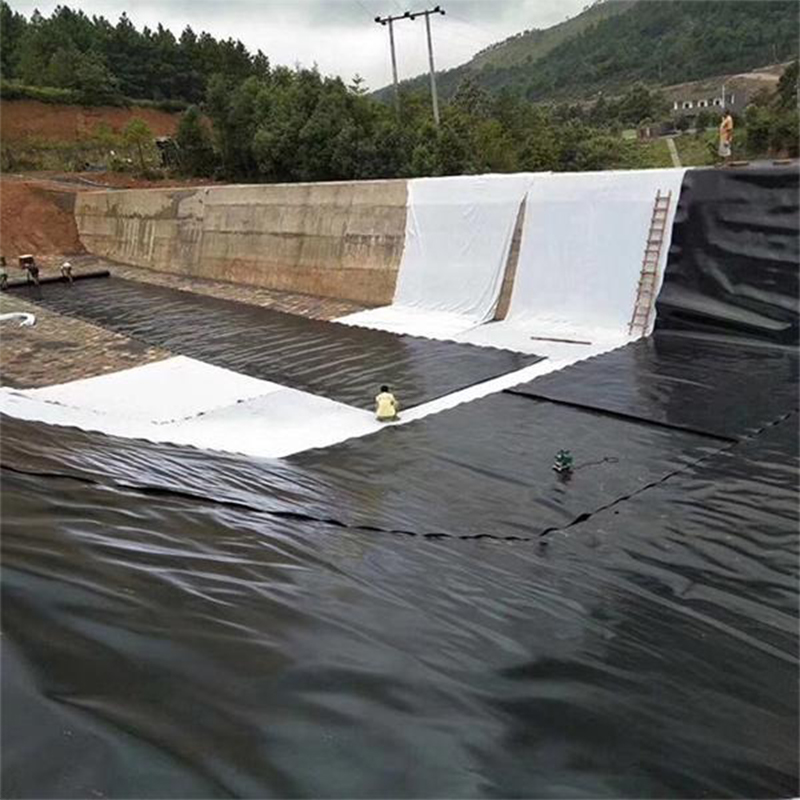
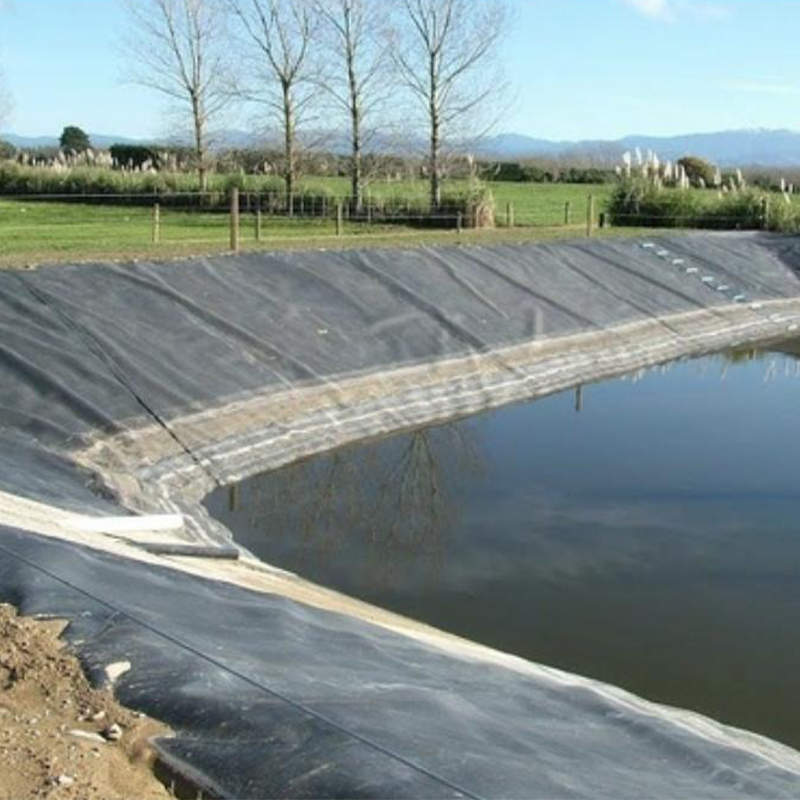
For below-grade waterproofing, the line can produce sheets for basements, reservoirs, swimming pools, artificial lakes, and more. In hydraulic projects such as dam seepage control and reservoir linings, high-strength PE and TPO geomembranes adapt to complex ground conditions and ensure long-term stability. The same line also makes anti-leakage liners for landfills and wastewater treatment plants.
Tunnels and Infrastructure
Tunnel waterproofing is another major use case. Whether for highway tunnels, railway tunnels, or subway systems, the 2,000 mm wide sheets reduce on-site lap joints, lowering leakage risks. TPO and PVC materials stay flexible enough to fit tunnel curves while remaining structurally sound under water pressure.
Agriculture and Environmental Protection
The production line also manufactures liners for irrigation canals, agricultural reservoirs, and secondary containment around underground storage tanks. HDPE and PE materials offer excellent chemical resistance and UV stability, maintaining performance even when exposed to fertilizers, pesticides, or other corrosive substances.
High Output, Greater Efficiency
With a maximum output of 1,100 kg/h, the JWS150–JWS120 far exceeds conventional single-screw extrusion systems (typically around 600 kg/h). Higher throughput means shorter production runs per batch and lower labor costs per unit.
Multi-Material Capability, Flexible Changeovers
The equipment supports three mainstream waterproofing materials—PVC, TPO, and PE—so you can serve multiple markets without buying separate dedicated lines. PVC sheets provide good flame retardancy and cost efficiency; TPO delivers excellent weatherability and hot-air weldability; PE geomembranes excel in tensile strength and chemical resistance.
Precise Thickness Control for Consistent Quality
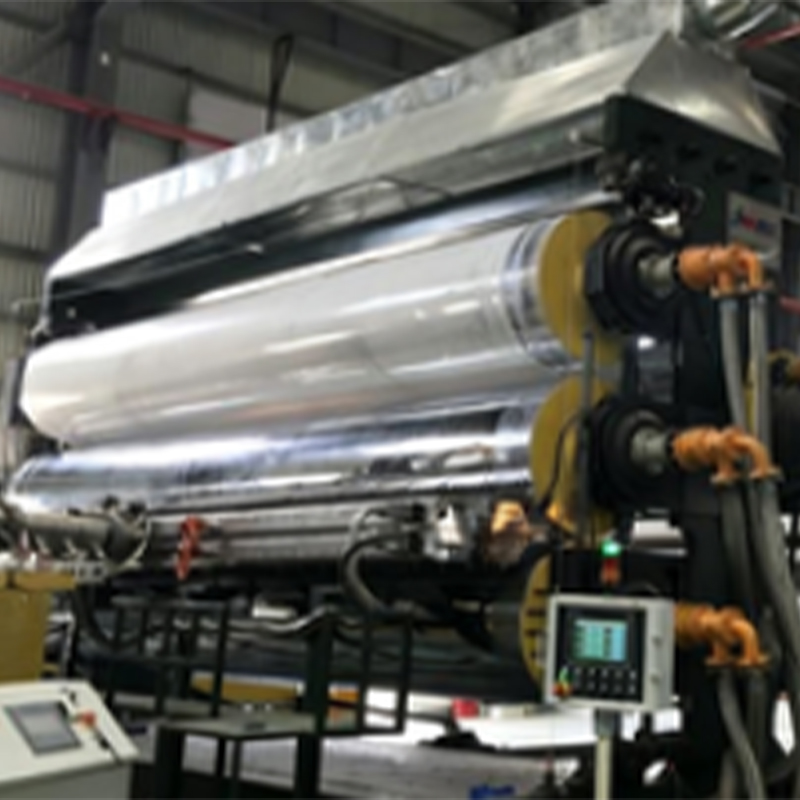
An advanced calendering system and precision roll design keep thickness deviation across the full sheet width within ±5%. Uniform thickness ensures reliable mechanical properties and avoids onsite damage or poor welding caused by localized weak spots.
Low-Shear, Energy-Saving Design
The line features a unique low-shear, low-energy design that cuts operating costs while preserving the polymer’s original molecular structure. Excessive shear can break polymer chains, reducing tensile strength and elongation at break. With the JWS150–JWS120’s gentle processing, finished sheets achieve higher mechanical performance—better able to withstand foundation movement and harsh weather.
Easy Operation with High Automation
A PLC-based integrated control system with a touchscreen HMI lets operators monitor and adjust key parameters in real time, such as extrusion temperature, screw speed, and take-off speed. Automation minimizes human error, ensures batch-to-batch consistency, and supports quick changeovers between materials or specifications. Vector inverters further improve motor control precision and reduce energy use.
Wide Sheet Width, Fewer Onsite Joints
An effective finished width of 2,000 mm significantly reduces the number of lap joints needed during installation. That means lower leak risk, faster construction, and reduced labor costs for onsite joining.
In the waterproofing membrane industry, consistent quality is critical. The JWS150–JWS120 integrates a complete quality management system—from incoming raw materials to finished rolls.
Incoming Raw Material Inspection
Quality starts with raw material testing. Each batch of polymer and additives is checked for melt flow index, moisture content, and contamination. Only materials that meet specifications enter production. For PVC formulations, the ratios of stabilizers and plasticizers are precisely controlled to achieve the required flexibility and thermal stability.
Online Dimensional Monitoring
During extrusion, thickness and width are continuously monitored. An online thickness gauge (beta or X-ray type) is mounted immediately after the calendering rolls, providing real-time sheet thickness data. Width deviation is generally kept within ±1%. If a deviation occurs, the system automatically adjusts screw speed, die gap, or take-off speed to bring the product back into spec.
Surface Quality Inspection
High-resolution cameras or visual inspection stations check the sheet surface for defects such as die lines, melt fracture, gels, or contamination. Flatness is also verified, as uneven surfaces can compromise onsite welding quality.
Mechanical Property Sampling
Samples are taken from each production batch and tested in the lab for:
Tensile strength – ensures the sheet withstands installation stresses and service loads.
Elongation at break – verifies the material’s ability to accommodate substrate movement without tearing.
Tear strength – affects durability during handling and construction.
Puncture resistance – especially important for projects with sharp aggregates or root penetration risk.
For TPO waterproof membranes, tensile strength typically exceeds 10 MPa, in line with standards such as EN ISO 11925-2.
Weld Integrity Testing
For materials that require onsite welding (especially TPO and PVC), weld strength is verified using both destructive and non-destructive methods. Peel and shear tests follow ASTM D4437 to ensure that lap joint quality meets field installation requirements.
International Standards Compliance
Sheets produced on this line can meet major international standards, including:
ASTM D4434 – Poly(Vinyl Chloride) Sheet Roofing
ASTM D4819 – Flexible Cellular Materials
ASTM D4551 – Poly(Vinyl Chloride) Geomembranes
EN ISO 11925-2 – Reaction to fire tests for building products
Certification to these standards builds end-user confidence and eases market access in regulated regions.
|
Place of origin
|
China
|
|
Brand name
|
Jwell
|
|
Model number
|
SJZ92/188-SJZ80/156 SJP130/36-SJZ92/188, JWS150-JWS120
|
|
Certification
|
CE ISO
|
|
Minimum order quantity
|
1 set
|
|
Packaging details
|
Wooden pallet packing
|
|
Delivery time
|
120days
|
|
Species
|
High Polymer Composite Waterproof Roll Extrusion Line
|
Water Drainage Sheet Extrusion Line
|
PE Extra-width Geomembrane/Waterproof Roll Extrusion Line PE
|
|
Model
|
JWS150-JWS120
|
JWS-150
|
JWS-150
|
|
Material
|
PVC, TPO, PE
|
HDPE
|
PE
|
|
Production thickness(mm)
|
1-2mm
|
0.5-3.0mm
|
1-3mm
|
|
Products Width(mm)
|
2000mm
|
2000-5000mm
|
1000-8500mm
|
|
Output (kg/h)
|
1100
|
600
|
600
|
Q1: What is the optimal extrusion pressure range for this line?
The ideal pressure depends on the material formulation, sheet thickness, and production speed. PVC typically requires higher pressure due to its viscosity, ensuring stable melt flow at the die. Normal operating pressure for this equipment is 150–250 bar.
Q2: How do I prevent surface die lines or uneven thickness?
Surface defects usually stem from three causes: improper die setup, melt contamination, or uneven cooling. First, ensure the die lip is clean and properly aligned. Second, check that raw materials are contaminant-free and that the melt filtration system is working. Finally, verify the temperature and speed of the cooling rolls—unstable cooling is a common cause of warping and thickness variation. Regular maintenance and calibration are essential.
Q3: How do I switch between PVC, TPO, and PE on the same line?
Material changes require thorough cleaning of the extruder and die to avoid cross-contamination. Standard procedure: after heating up, use a dedicated purging compound to flush out residual material. Then adjust the temperature profile to the new material’s requirements (typically 170–200°C for PVC, 180–220°C for PE and TPO). The JWS150–JWS120 screw design is optimized for all three materials, but we recommend switching between batches rather than mid-production to minimize scrap and downtime.
Q4: What daily maintenance is needed?
Key tasks include:
Daily cleaning of the die, die lip, and cooling rolls to prevent buildup.
Regular lubrication of bearings and moving parts.
Monthly inspection of heating bands and thermocouples.
Quarterly calibration of the thickness gauge and temperature controllers.
Annual inspection of screw and barrel wear, with replacement as needed.
Following a structured maintenance schedule extends equipment life and reduces unexpected downtime.
Q5: What is the typical payback period?
Payback varies with local labor costs, raw material prices, and market demand. However, under continuous production, most manufacturers recover their investment within 12 to 24 months. The 1,100 kg/h output and material versatility let you scale production quickly and diversify your product line, accelerating ROI.
Q6: Can this line produce reinforced or multi-layer composite sheets?
The standard JWS150–JWS120 is a single-layer extrusion line. With optional add-ons—such as a laminating unit or a second extruder—it can be upgraded to produce multi-layer sheets or fabric-reinforced membranes. For example, you can make polyester scrim-reinforced TPO roofing membranes with enhanced mechanical properties.
Q7: What after-sales technical support do you provide?
We offer full after-sales service, including onsite installation guidance, operator training, and remote troubleshooting. Our technical team can diagnose issues in real time via video call, and we maintain a spare parts warehouse to ensure fast replacement of critical components.





Tel: +86-19579950928

E-mail: [email protected]

Company Address
No. 128 Qingfeng Road, Xieqiao Town, Haining City, Jiaxing City, Zhejiang Province

19579950928

 English