
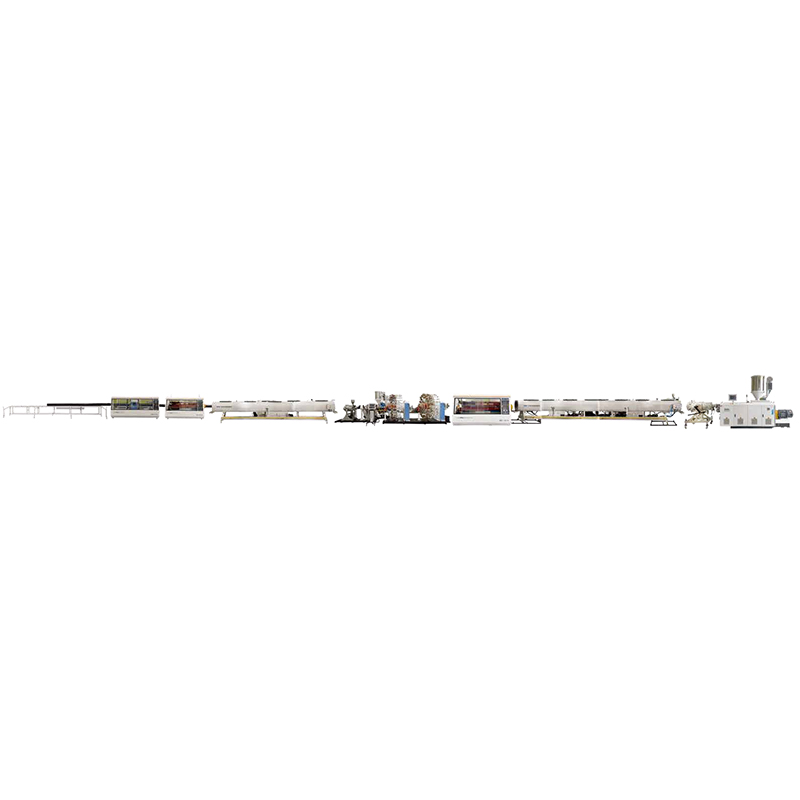
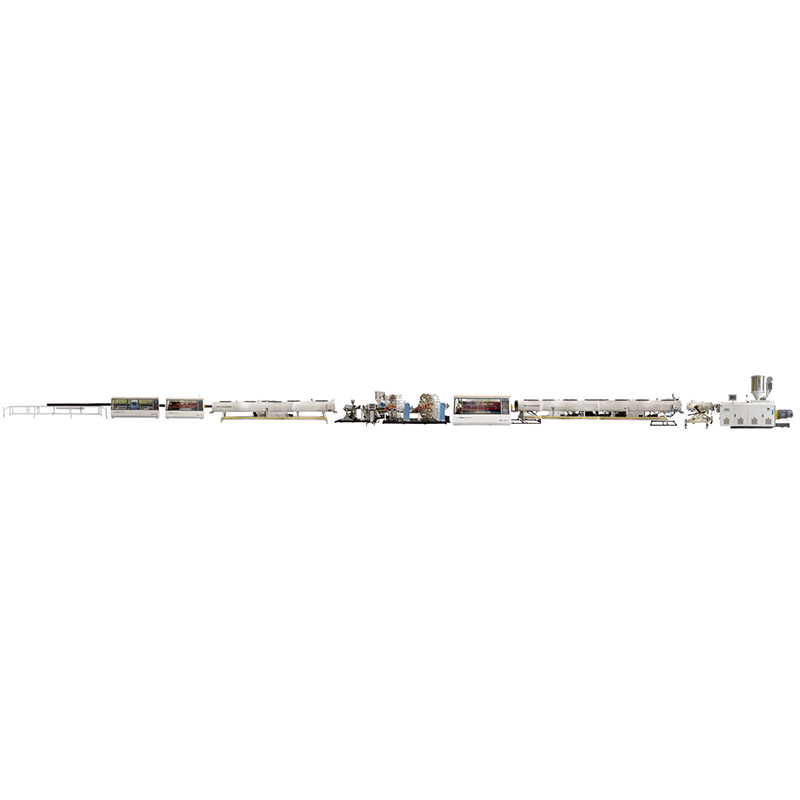
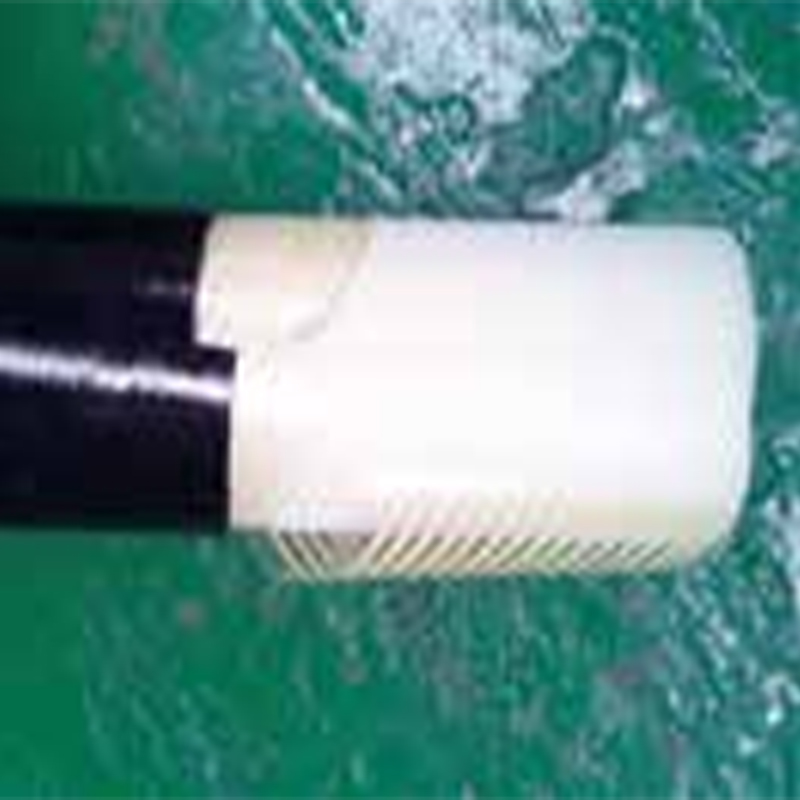
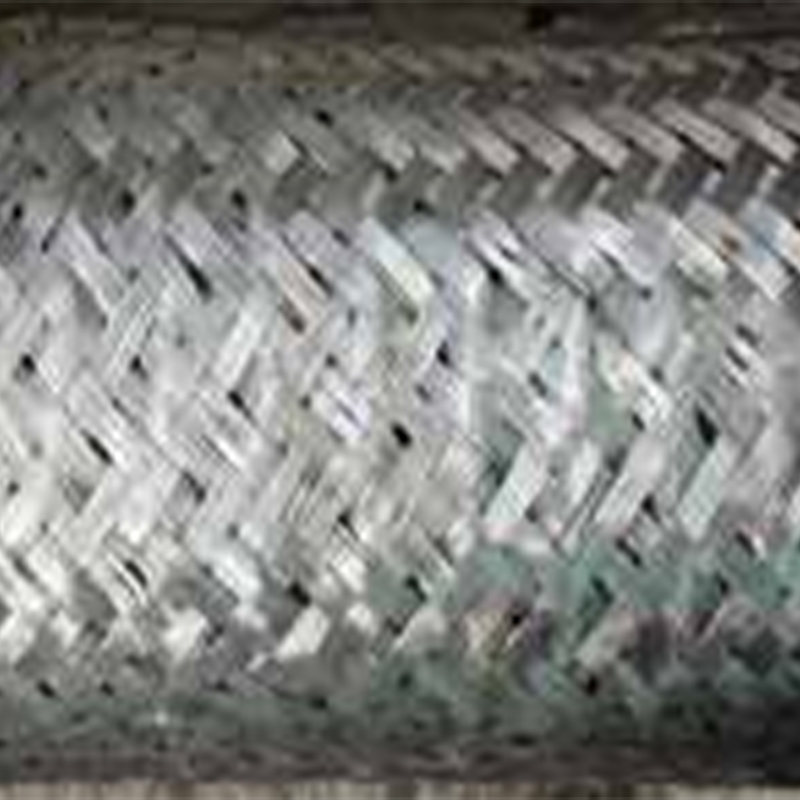
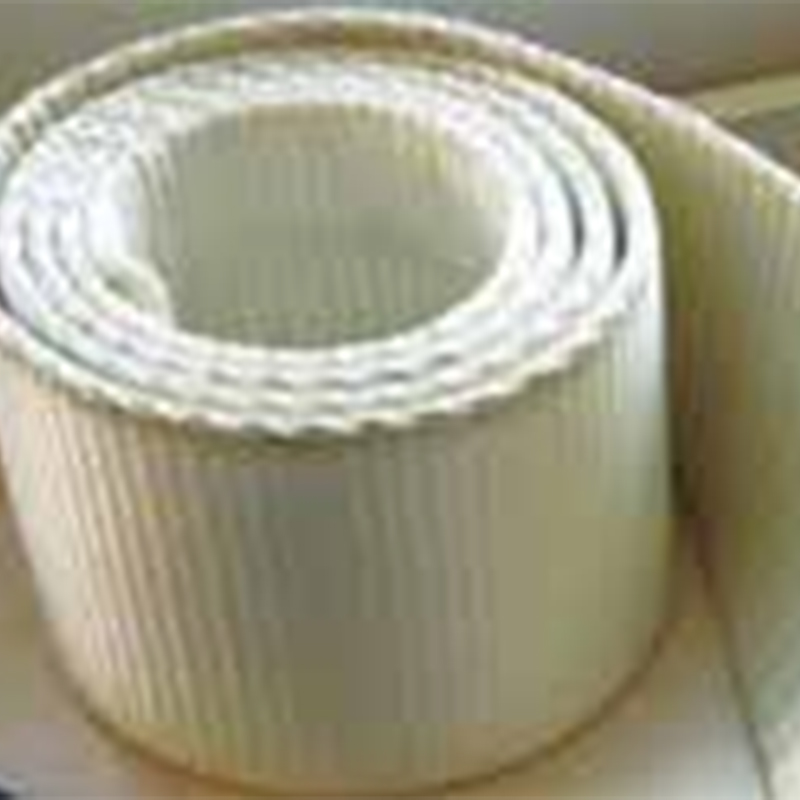
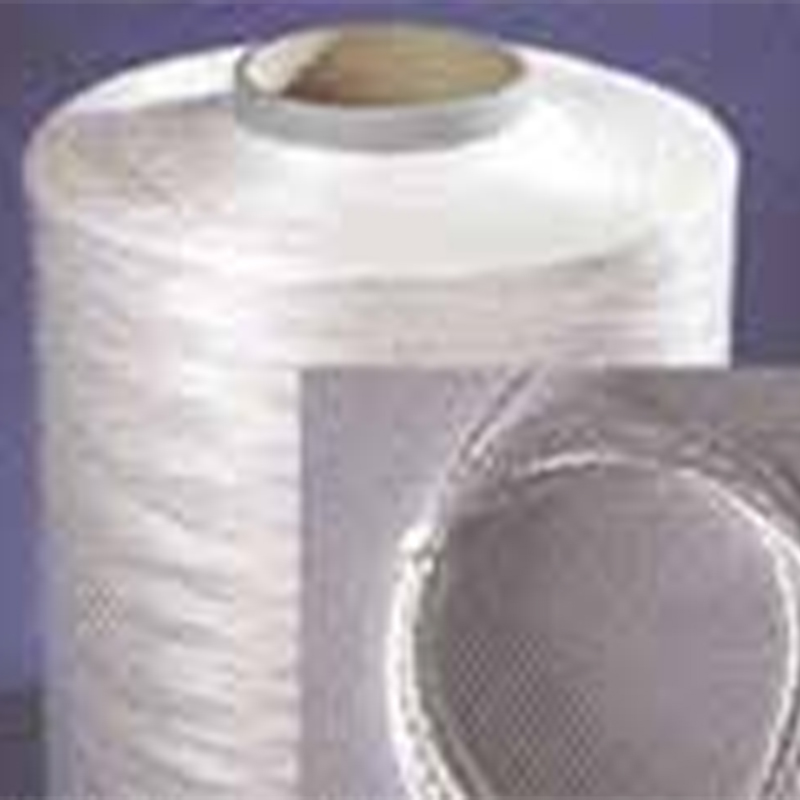
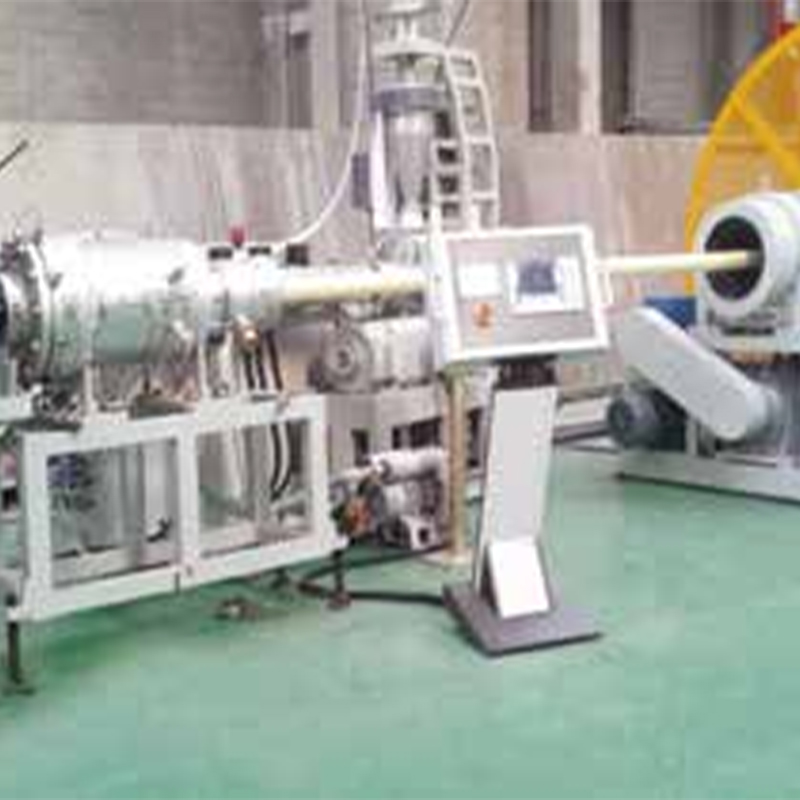
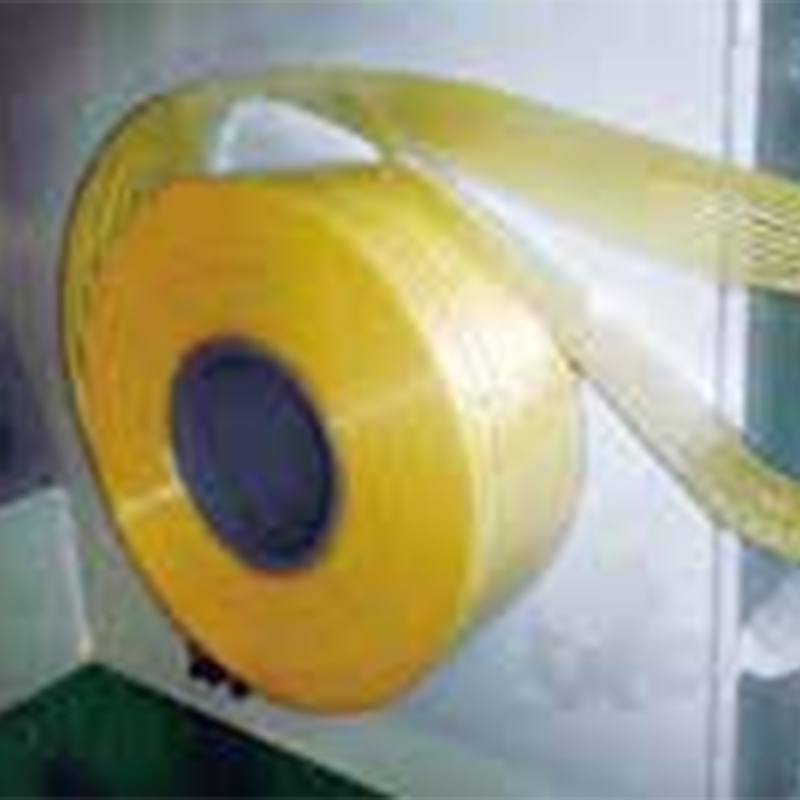
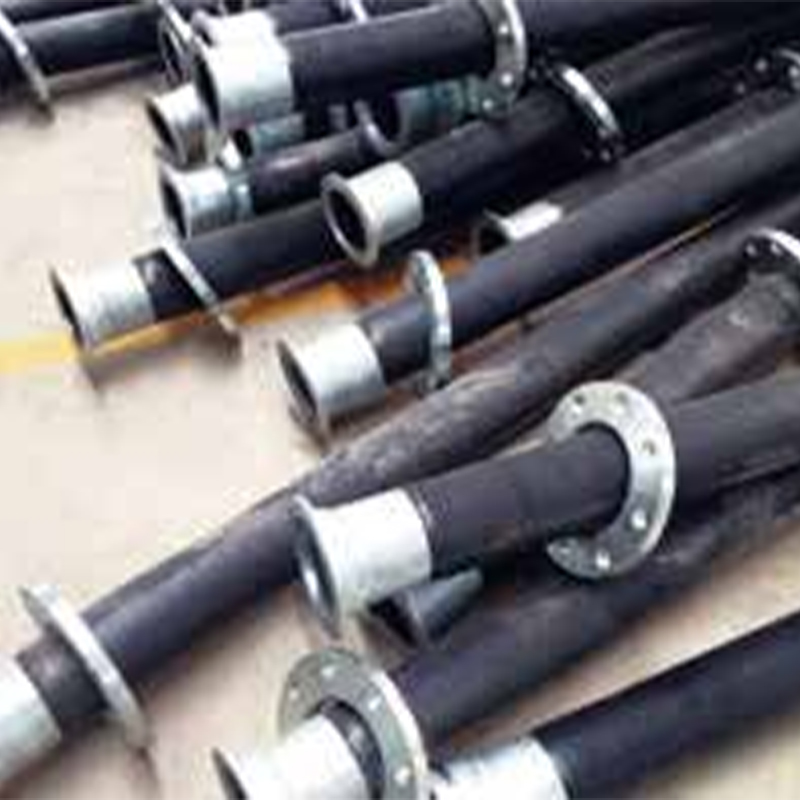
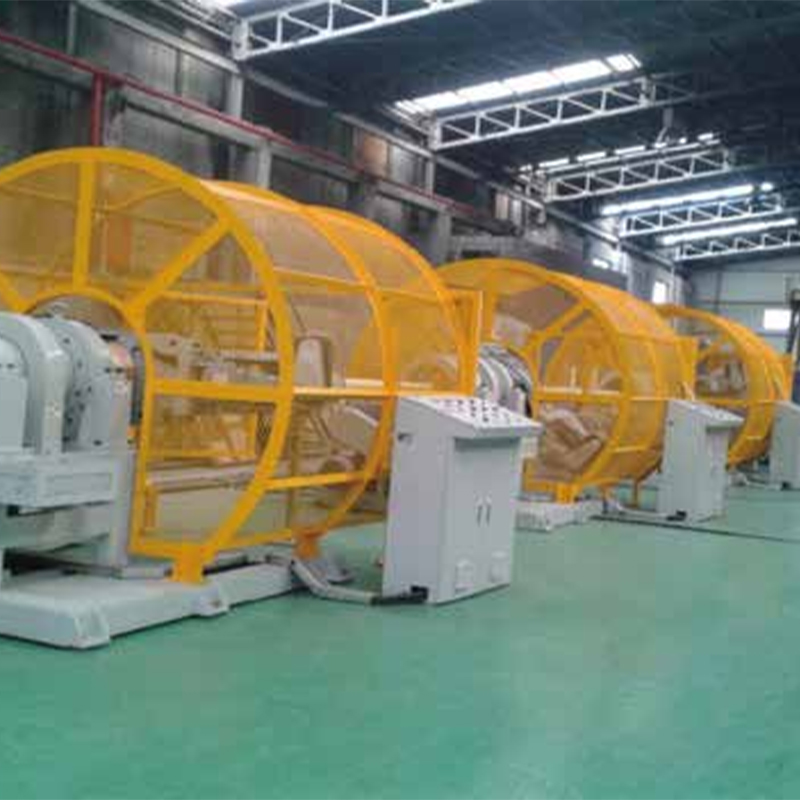
Our JWG-RTP series extrusion lines are specifically designed for producing Reinforced Thermoplastic Pipe (RTP) – a high-performance composite solution widely used in oil & gas, water transmission, mining, and chemical industries. The series includes three models (JWG-RTP-160, JWG-RTP-250, JWG-RTP-315), covering pipe diameters from 63 mm to 315 mm, with maximum extrusion output ranging from 120 kg/h to 600 kg/h. Each model is equipped with proven JW series extruders (JW560/40 or JW575/38), ensuring stable, continuous operation.
Thanks to its wide diameter range and adjustable output, the JWG-RTP line meets the demands of various high-pressure and corrosive fluid applications:
Oil & gas gathering pipelines
Typical diameter: 75–250 mm (model JWG-RTP-250)
Case study: A customer in Texas, USA, uses the JWG-RTP-250 to produce 200 mm RTP pipes for a shale gas water gathering system. The reinforced structure withstands 4.5 MPa working pressure, replacing corroded steel pipes. An output of 400–500 kg/h allows 24/7 continuous production with extremely low scrap rates.
High-pressure water injection (mining & desert irrigation)
Typical diameter: 110–315 mm (model JWG-RTP-315)
Case study: A mining company in Chile uses the JWG-RTP-315 to manufacture 250 mm RTP pipelines for tailings water return. The line’s maximum output of 600 kg/h and 238 kW total installed power ensure high productivity, while the reinforcement layer resists abrasion and chemical corrosion.
Municipal & industrial pressure pipelines
Typical diameter: 63–160 mm (model JWG-RTP-160)
Case study: A municipal project in Southeast Asia uses the JWG-RTP-160 to produce 125 mm RTP drinking water mains. The 120–300 kg/h output perfectly matches medium-scale production, and the smooth inner liner prevents biofilm formation.
Chemical & corrosive fluid transport
RTP’s thermoplastic liner (HDPE, PA or PVDF) combined with synthetic fiber or steel reinforcement makes it suitable for acids, alkalis, and produced water.
Key point: The three models cover small to large diameters, allowing you to precisely match production capacity to project output – from 120 kg/h for small trial batches to 600 kg/h for large-scale production.
|
Model |
Output range |
Power |
Output/power ratio |
|
JWG-RTP-160 |
120–300 kg/h |
160 kW |
0.75–1.88 kg/h per kW |
|
JWG-RTP-250 |
300–500 kg/h |
210 kW |
1.43–2.38 kg/h per kW |
|
JWG-RTP-315 |
400–600 kg/h |
238 kW |
1.68–2.52 kg/h per kW |
The JW575/38 extruder on the two larger models provides excellent melt uniformity even at maximum output, reducing material waste.
2.2 Wide diameter flexibility without changing extruder
JWG-RTP-160: 63–160 mm (one tooling set covers 100 mm range)
JWG-RTP-250: 75–250 mm
JWG-RTP-315: 110–315 mm
This means you only need to adjust the die head and winding unit to produce small and large diameter pipes on the same line – no need to buy a second extruder.
2.3 Reinforcement layer precision
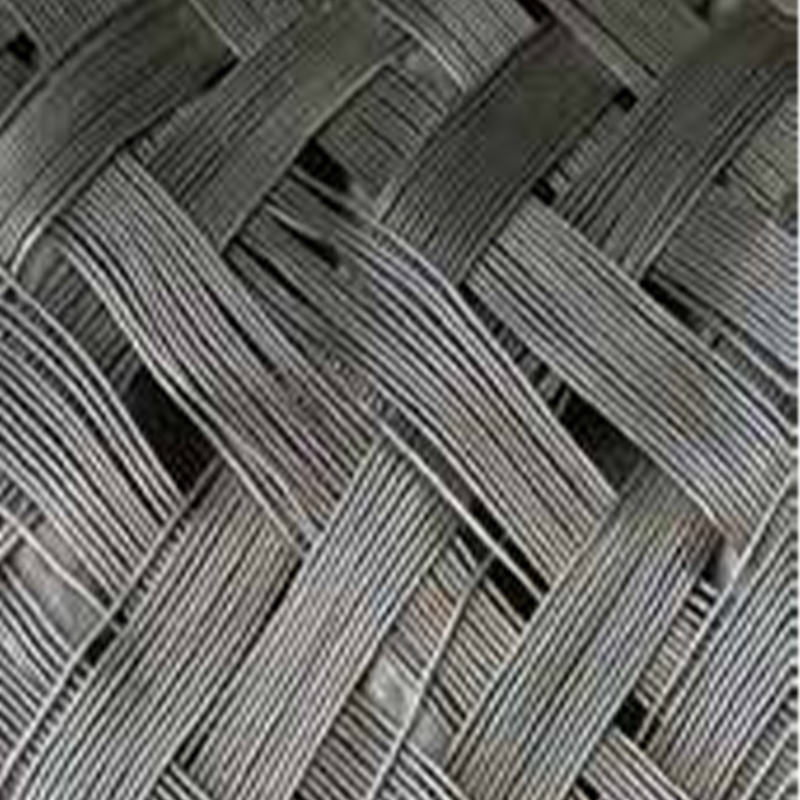
The line integrates servo-controlled winding stations that apply continuous fiber or steel tape reinforcement at a precisely controlled angle (typically ±54.7° for optimal hoop/axial strength). This ensures uniform reinforcement density along the entire pipe length.
2.4 Low total cost of ownership
JW series extruders feature bimetallic barrels and wear-resistant screws – service life is >30% longer than conventional designs when processing abrasive mineral-filled materials.
Modular design facilitates quick cleaning and maintenance.
2.5 Proven reliability
Case study: An oil service company in Nigeria replaced an old European line with the JWG-RTP-250. They reported 22% lower power consumption per ton of pipe (210 kW vs. previous 270 kW) and 98.5% line uptime over 6 months of three-shift operation.
We implement a multi-stage quality control plan compliant with ASTM F2785 (RTP standard) and API 15S specifications.
3.1 Incoming material inspection
Resin: Melt flow index (MFI) and moisture content test (<0.02% required for HDPE)
Reinforcement fiber/steel wire: Tensile strength verification, adhesion coating test
3.2 In-line production monitoring (real-time)
|
Parameter |
Sensor/Method |
Tolerance |
|
Outer diameter |
3-axis laser gauge |
±0.5 mm |
|
Wall thickness |
Ultrasonic scanner |
±0.1 mm |
|
Reinforcement angle |
Encoder feedback on winding ring |
±0.5° |
|
Interlayer adhesion |
Thermal imager (interlayer temperature) |
Alarm if <140°C |
All data is recorded to the PLC system. Any deviation >2% triggers automatic speed adjustment or audible alarm.
3.3 Off-line destructive and non-destructive testing (per shift)
Hydrostatic test
Sample length: 1.5 m
Pressure: 1.5 × rated working pressure (e.g., 6.75 MPa for 4.5 MPa pipe)
Hold time: 1 hour – no leakage or burst.
Burst pressure test
Rapid pressurization until failure. Typical RTP burst strength is 2.5–3 times rated pressure. Our line achieves consistent results: e.g., a 200 mm pipe burst at 12.8 MPa vs. its 5 MPa rating.
Peel test (liner-to-reinforcement adhesion)
Peel strength >150 N/25 mm (per ASTM D903)
Short-term hydraulic creep test
Apply pressure: 1.2 × rated pressure for 24 hours – expansion <3%
3.4 Final appearance and dimensional audit
Every 100 m of pipe, ends are trimmed and a borescope camera checks for delamination, bubbles, or scratches.
3.5 Real QC case study
Customer audit feedback from UAE: After installing the JWG-RTP-315, their QC pass rate increased from 94% to 99.2%. The ultrasonic wall thickness system detected an inner liner under-thickness of 0.15 mm before producing only 10 m of scrap – saving approx. USD 2,500 in a single incident.
|
Production Line Model
|
Pipe Specification (mm)
|
Matching Extruder
|
Max Output (kg/h)
|
Total Installed Power (kW)
|
|
JWG-RTP-160
|
63-160
|
JWS60/40
|
120-300
|
160
|
|
JWG-RTP-250
|
75-250
|
JWS75/38
|
300-500
|
210
|
|
JWG-RTP-315
|
110-315
|
JWS75/38
|
400-600
|
238
|
Q1: Which model should I choose based on my output target?
A: Refer to the table below:
|
Target daily output (20 hours) |
Diameter range |
Recommended model |
|
2.4 – 6 tons (120–300 kg/h) |
63–160 mm |
JWG-RTP-160 |
|
6 – 10 tons (300–500 kg/h) |
75–250 mm |
JWG-RTP-250 |
|
8 – 12 tons (400–600 kg/h) |
110–315 mm |
JWG-RTP-315 |
Note: Output depends on material (HDPE vs. PA12) and number of reinforcement layers. Fiber-reinforced pipes run about 15% slower than pure thermoplastic pipes due to winding time.
Q2: Can I produce both steel-wire-reinforced and aramid-fiber-reinforced pipes on the same line?
A: Yes. The winding unit can quickly change reinforcement creels. For steel wire, we recommend the optional steel wire tension control module (for JWG-RTP-250/315). For aramid or polyester fiber, the standard tensioner works perfectly.
Q3: What is the typical power consumption per ton?
A: Based on field data:
JWG-RTP-160: approx. 530 kWh/ton (at 250 kg/h)
JWG-RTP-250: approx. 500 kWh/ton (at 420 kg/h)
JWG-RTP-315: approx. 475 kWh/ton (at 500 kg/h)
These figures include extruder, vacuum tank, cooling, winding, and puller – among the lowest in the RTP market.
Q4: How do you clean the crosshead when changing color or material?
A: The JWG-RTP series features a swing crosshead and removable mandrel. Procedure:
Stop extruder and purge with cleaning compound (PE wax-based).
Loosen 4 bolts to open the swing head – no full disassembly required.
Pull out the mandrel and wipe with a brass scraper (steel tools prohibited to avoid scratches).
Reassemble – total downtime ≤25 minutes for two operators.
Q5: Which spare parts should I stock?
A: Recommended spare parts kit for 6 months continuous operation:
1 set of heater bands (all zones)
2 screen changer plates and screens
1 spare screw tip (for JW560/40 or JW575/38)
1 set of winding belts (polyurethane, 5 m length)
4 ultrasonic sensor membranes
Most customers also purchase an optional spare vacuum pump for the cooling tank – standard pump MTBF is 8,000 hours, but downtime costs typically justify a spare.
Q6: Do you provide installation and training?
A: Yes. We offer:
Remote commissioning via video call (free)
On-site installation by our engineers (travel and accommodation extra)
3-day operator training covering start/stop procedures, reinforcement angle calibration, and emergency stop recovery. Training manuals and video library included.
Q7: How does the line handle recycled HDPE in the inner layer?
A: The JW575/38 extruder has a grooved feed section and 3.2:1 compression ratio, capable of processing up to 30% recycled HDPE (clean, crushed to 6–8 mm) mixed with virgin material without significant output loss. For higher recycled content, we recommend adding a melt filter (optional).





Tel: +86-19579950928

E-mail: [email protected]

Company Address
No. 128 Qingfeng Road, Xieqiao Town, Haining City, Jiaxing City, Zhejiang Province

19579950928

 English